1. Period Pain: What's Normal and What's Not?
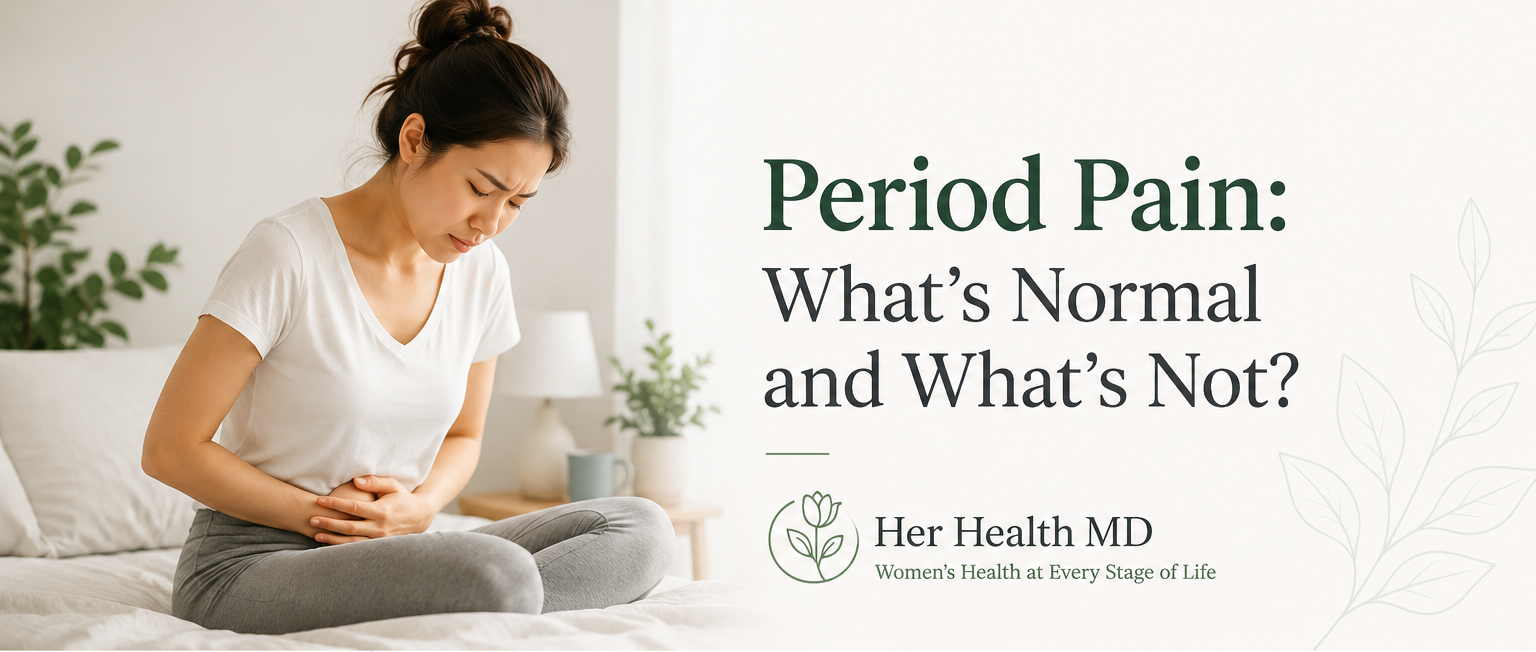
Period pain is common, but severe pain is never something you should ignore.
Period pain—also called menstrual cramps—is one of the most common health concerns among women. While mild discomfort can be a normal part of the menstrual cycle, pain that interferes with daily life may indicate an underlying condition.
In this article, you'll learn:
Why period pain occurs
What's considered normal
When pain may signal a medical condition
Common causes of painful periods
This article serves as an introduction to period pain and the most common conditions associated with it, including primary dysmenorrhea, endometriosis, and adenomyosis.
Period Pain: What's Normal and What's Not?
Period pain is common, but severe pain is never something you should ignore.
Menstrual cramps, also known as period pain, affect millions of women worldwide. For many, the discomfort is mild and manageable. For others, however, the pain can be severe enough to interfere with school, work, exercise, sleep, and everyday activities.
Because period pain is so common, many women assume that suffering is simply part of being female. While some degree of discomfort during menstruation can be normal, significant pain should not be considered something you have to endure.
Understanding the difference between normal and abnormal period pain is the first step toward identifying potential underlying conditions and finding effective treatment.
Why Does Period Pain Occur?
During menstruation, the uterus contracts to help shed its lining. These contractions are triggered by hormone-like substances called prostaglandins.
Higher levels of prostaglandins can cause stronger uterine contractions, reduced blood flow to the uterine muscle, and increased sensitivity to pain. This is why many women experience cramping, especially during the first few days of their menstrual period.
What's Considered Normal?
Mild to moderate cramping that occurs during the first one to three days of menstruation is generally considered normal.
Common symptoms may include:
Lower abdominal cramping
Mild lower back discomfort
Temporary fatigue
Mild nausea
Symptoms that improve with over-the-counter pain medication or heat therapy
While uncomfortable, these symptoms typically do not prevent women from carrying out their normal daily activities.
When Is Period Pain Not Normal?
You should consider seeking medical evaluation if:
Pain causes you to miss school, work, or social activities
Over-the-counter pain medications provide little relief
Symptoms worsen over time
Pain occurs outside of your menstrual period
Heavy menstrual bleeding accompanies the pain
Pain significantly affects your quality of life
These symptoms may indicate an underlying gynecologic condition that deserves further evaluation.
Common Causes of Period Pain
Not all period pain has the same cause. In fact, menstrual pain can arise from several different conditions.
Some women experience pain due to the normal physiologic effects of prostaglandins and uterine contractions. Others may have an underlying condition affecting the uterus or pelvic organs.
Common causes include:
Primary Dysmenorrhea (physiologic menstrual pain)
Endometriosis
Adenomyosis
Uterine fibroids
Pelvic inflammatory disease
Other gynecologic conditions
Identifying the underlying cause is important because treatment options vary depending on the diagnosis.
The Bottom Line
Period pain is common, but severe pain is not something that should be ignored.
If menstrual cramps interfere with your daily life, there may be an underlying condition contributing to your symptoms. The good news is that many causes of period pain can be effectively diagnosed and treated.
Understanding what's normal—and what's not—is the first step toward better menstrual health.
Coming Next: Understanding the Most Common Causes of Period Pain
In this introductory article, we've discussed the basics of menstrual pain and when it may warrant medical attention.
In upcoming articles, we'll take a closer look at the three most common causes of period pain.